
Table of Contents
Every marketer dreams of creating a campaign that takes on a life of its own — spreading across feeds, inboxes, and conversations without spending a fortune on paid advertising.
“Going viral isn’t luck. It’s the result of understanding human psychology, timing, and the mechanics of sharing.” — Jonah Berger, author of Contagious
The reality is that viral growth doesn’t happen by accident. Behind every campaign that explodes overnight, there are deliberate strategies, carefully crafted messages, and a deep understanding of what makes people click “share.” Whether you’re a Shopify store owner looking to drive traffic, an influencer building your audience, or a marketing agency seeking measurable results for clients, mastering viral marketing tactics can transform your brand’s reach exponentially.
In this article, we break down 9 proven viral marketing tactics that consistently spread like crazy — and more importantly, we explain why they work and how you can apply them to your own brand. From leveraging user-generated content to engineering scarcity and interactive experiences, these strategies are accessible, actionable, and backed by real-world results. Let’s dive in.
What Are Viral Marketing Tactics?
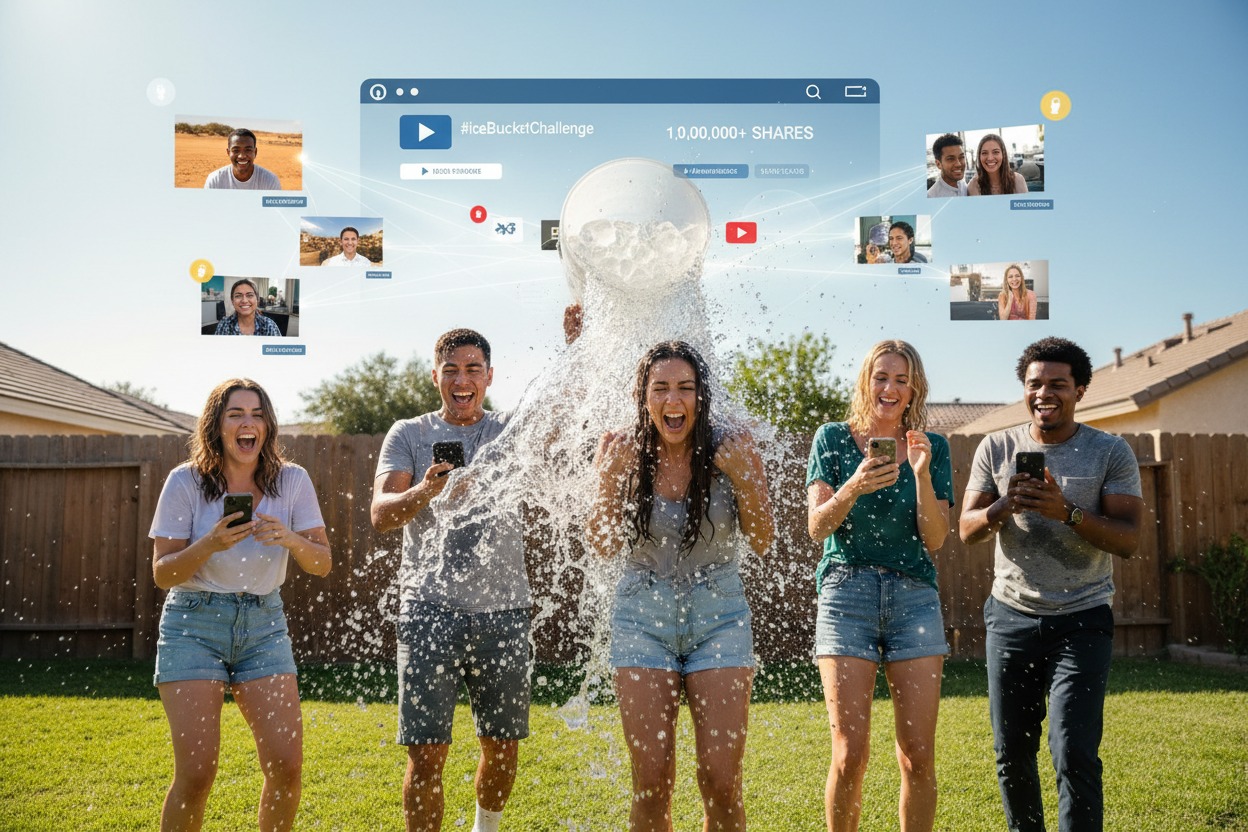
Viral marketing tactics are deliberate strategies designed to encourage individuals to share a brand’s message, product, or content with their own networks — creating a self-sustaining cycle of organic reach and exponential growth. Unlike traditional advertising, which pushes messages outward at a cost, viral tactics harness the power of word-of-mouth amplified through digital channels.
At their core, these tactics rely on one fundamental truth: people share things that make them feel something — whether that’s joy, surprise, outrage, or belonging.
The Science Behind Virality
The concept of virality borrows from epidemiology — the study of how diseases spread through populations. In marketing, the same principles apply. A piece of content “infects” one person, who passes it to several others, who each pass it further. The key metric here is the viral coefficient (K-factor): the number of new users each existing user brings in.
When K > 1, growth becomes exponential. When K < 1, the campaign fizzles. Understanding this science helps marketers engineer content that is inherently shareable by design, not simply hopeful by nature.
Research from the Wharton School of Business found that content triggering high-arousal emotions — awe, excitement, anxiety — is significantly more likely to be shared than content evoking low-arousal feelings like sadness or contentment. This is why campaigns from brands like Dove (Real Beauty) and Nike (Just Do It) continue to resonate decades later.
How Viral Campaigns Differ From Traditional Marketing
Traditional marketing operates on a broadcast model — a brand spends budget to push a message to a defined audience. Viral marketing flips this entirely, turning the audience into the distribution channel itself.
| Feature | Traditional Marketing | Viral Marketing |
|---|---|---|
| Primary channel | Paid media (TV, print, PPC) | Organic sharing (social, email, word-of-mouth) |
| Cost structure | High upfront spend | Low cost, high ROI potential |
| Reach | Predictable and capped | Unpredictable and exponential |
| Audience role | Passive receiver | Active participant and distributor |
| Speed of spread | Gradual (campaign timeline) | Rapid (hours to days) |
| Control | Brand-controlled | Audience-driven |
This fundamental shift in audience dynamics is why viral marketing tactics have become essential tools for growth-focused brands, particularly those operating with lean budgets but ambitious targets.
Why Viral Marketing Tactics Matter for Your Brand
In a landscape where consumers are bombarded with thousands of marketing messages daily, cutting through the noise has never been more challenging — or more valuable. Viral marketing tactics matter because they achieve what paid advertising increasingly struggles to do: create genuine human connection at scale.
For small business owners and Shopify store operators, a single viral campaign can deliver the kind of brand awareness that would otherwise require months of sustained advertising spend. For influencers and content creators, viral content compounds your audience growth in ways that consistent posting alone simply cannot match.
The real power lies in trust transfer. When a friend, family member, or trusted creator shares something with you, you’re far more likely to engage with it than if you encountered the same message through a paid ad. Nielsen research consistently shows that 92% of consumers trust recommendations from people they know over any form of brand advertising.
“Viral marketing is not about making something go viral — it’s about making something worth sharing.” — Seth Godin
The Business Impact of Going Viral
The commercial outcomes of a successful viral campaign can be staggering. Consider Dropbox’s referral programme, which grew the company from 100,000 to 4 million users in just 15 months — without traditional advertising. Or Dollar Shave Club’s launch video, which generated 12,000 orders within 48 hours of being published and cost just $4,500 to produce.
These aren’t outliers — they’re proof that strategic virality delivers measurable business results: increased revenue, reduced customer acquisition costs, stronger brand equity, and accelerated growth timelines that paid media alone cannot replicate.
Key Components of a Successful Viral Marketing Campaign
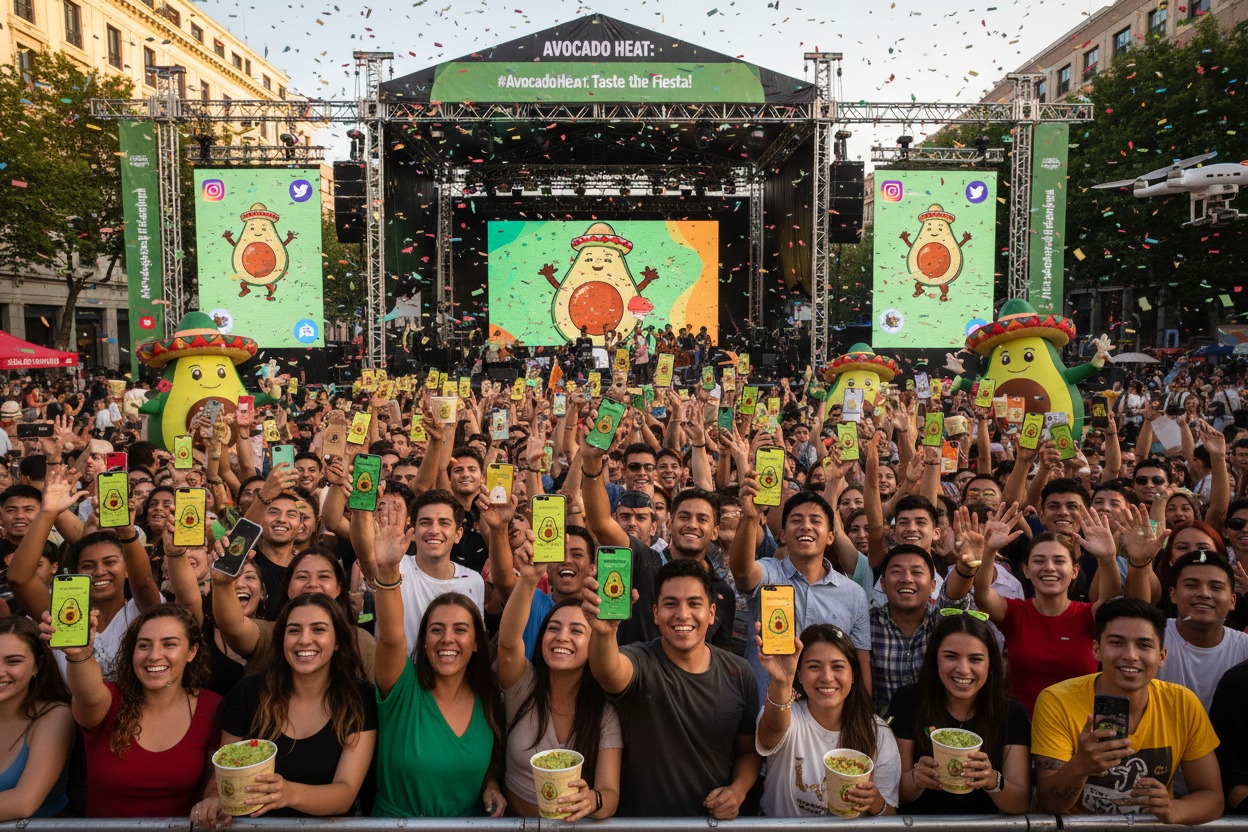
Not every piece of content that a brand publishes has the potential to spread — but campaigns built around the right core components dramatically increase their odds. Understanding what separates forgettable content from share-worthy campaigns is the first step towards engineering virality with intention.
The most consistently successful viral campaigns share several foundational elements:
- A clear and compelling hook that captures attention within the first three seconds of exposure.
- Strong emotional resonance that makes the audience feel something powerful enough to act upon.
- Frictionless sharing mechanics — making it effortless for users to pass the content along via social platforms, messaging apps, or email.
- A simple, memorable core message that retains its meaning even as it travels across different audiences and contexts.
- An inherent sense of identity or belonging — content that signals something meaningful about the person sharing it.
- A measurable call to action that channels viral momentum into a tangible business outcome, such as a sign-up, purchase, or referral.
Emotional Triggers That Drive Sharing
At the heart of every viral campaign is an emotional trigger. Research consistently identifies specific emotions as the most powerful sharing motivators: awe, amusement, inspiration, and even righteous anger. When content makes someone feel seen, validated, or part of something larger than themselves, the impulse to share becomes almost instinctive.
Brands that master emotional storytelling — think Airbnb’s community-driven narratives or Always’ #LikeAGirl campaign — tap into deeply held values and identity. The content doesn’t just entertain; it affirms who the audience is, making sharing feel like a personal statement rather than a marketing interaction.
The Role of Timing and Relevance
Even the most emotionally compelling content can fall flat if it arrives at the wrong moment. Cultural relevance acts as an accelerant — campaigns that connect with current events, trending conversations, or seasonal moments benefit from an existing wave of audience attention.
Oreo’s famous “You can still dunk in the dark” tweet during the 2013 Super Bowl blackout is a masterclass in real-time marketing. The message was simple, timely, and perfectly aligned with a moment millions were already engaged in. Timing transformed a clever post into a landmark marketing moment that brands still reference today.
The 9 Viral Marketing Tactics That Spread Like Crazy
With the foundational principles in place, it’s time to examine the specific viral marketing tactics that consistently deliver explosive reach across industries and audience types. These nine strategies have been proven by some of the world’s most successful brands — and adapted effectively by small businesses and creators alike.
Tactics 1–3: Leveraging Social Proof and User-Generated Content
Social proof is one of the most powerful forces in consumer psychology. When people see others engaging with, endorsing, or celebrating a product, they’re far more likely to do the same.
- Tactic 1 — Customer Reviews and Testimonials at Scale: Actively collecting and showcasing authentic customer reviews across your website, social channels, and email campaigns creates a self-reinforcing cycle of trust that encourages new buyers to convert and existing customers to advocate.
- Tactic 2 — User-Generated Content (UGC) Campaigns: Encouraging customers to create and share their own content featuring your product — as GoPro has done masterfully for over a decade — turns your customer base into a content production engine that operates at zero additional cost.
- Tactic 3 — Social Sharing Milestones: Celebrating community milestones publicly (e.g., “10,000 customers served”) invites your audience to feel part of something meaningful and share that achievement as their own.
Tactics 4–6: Referral Programmes, Challenges, and Influencer Partnerships
- Tactic 4 — Referral Programmes: Structured incentive-based referral systems, like those pioneered by Dropbox and Uber, reward both the referrer and the new customer, creating a dual-sided motivation that accelerates organic growth.
- Tactic 5 — Branded Challenges: Platform-native challenges — such as those popularised on TikTok — invite mass participation with low barriers to entry. The ALS Ice Bucket Challenge raised over $115 million globally, demonstrating the extraordinary fundraising and awareness potential of a well-constructed challenge mechanic.
- Tactic 6 — Micro-Influencer Partnerships: Partnering with niche influencers who command highly engaged, loyal audiences delivers authentic reach that broad celebrity endorsements frequently cannot match.
Tactics 7–9: Storytelling, Scarcity, and Interactive Content
- Tactic 7 — Narrative Storytelling: Campaigns built around compelling human stories — like Dove’s Real Beauty Sketches — generate deep emotional investment that drives sharing far beyond the initial audience.
- Tactic 8 — Scarcity and Exclusivity: Limited-time offers, exclusive drops, and members-only access trigger FOMO (fear of missing out), compelling audiences to act quickly and share urgently with their networks.
- Tactic 9 — Interactive and Participatory Content: Quizzes, polls, filters, and personalised experiences invite active participation rather than passive consumption, dramatically increasing both engagement rates and organic distribution.
“The brands that go viral aren’t always the loudest — they’re the ones that make their audience feel like the hero of the story.” — Ann Handley, Chief Content Officer, MarketingProfs
How Viral Marketing Tactics Work in Practice
Understanding viral marketing tactics in theory is valuable — but seeing how they translate into real-world campaigns reveals the strategic decisions that separate successful executions from missed opportunities.
The following table illustrates how leading brands have applied specific tactics to achieve measurable viral outcomes:
| Brand | Tactic Used | Campaign | Result |
|---|---|---|---|
| Dropbox | Referral Programme | Double-sided storage incentive | 3,900% growth in 15 months |
| ALS Association | Branded Challenge | Ice Bucket Challenge | $115M raised; 17M participants |
| GoPro | User-Generated Content | Customer video submissions | 6,000+ videos uploaded daily at peak |
| Dove | Narrative Storytelling | Real Beauty Sketches | 114M views in 30 days |
| Glossier | Micro-Influencer Partnerships | Community ambassador programme | 70% of sales driven by peer referrals |
| Spotify | Interactive Personalisation | Wrapped annual campaign | 60M+ social shares in 2022 |
Translating these insights into actionable steps for your own brand requires a structured approach. Here’s how to move from inspiration to execution:
- Identify your emotional hook — determine which core emotion your target audience responds to most strongly, using customer surveys, social listening tools, or past content performance data.
- Select the tactic that aligns with your resources — a solo Shopify store owner may prioritise UGC campaigns, whilst a scaling agency might invest in a structured referral programme.
- Remove all friction from the sharing process — integrate one-click social sharing, pre-written referral messages, and mobile-optimised experiences to make participation effortless.
- Establish clear metrics before launch — define what success looks like using K-factor, reach, conversion rate, or revenue attributed to the campaign.
- Amplify the initial spark — seed your campaign with your most engaged existing customers, brand advocates, or micro-influencers to create the critical mass needed for organic momentum to take hold.
The most effective viral campaigns aren’t left to chance — they’re engineered with precision, seeded strategically, and optimised in real time based on early performance signals.
Viral marketing strategy involves creating content that is highly engaging and shareable, encouraging users to spread it rapidly across social networks and other platforms. This approach leverages the power of word-of-mouth and social proof to exponentially increase brand awareness and reach a wider audience at a relatively low cost. Successful viral marketing campaigns often tap into emotions, humour, or trending topics to motivate sharing. They also rely on a deep understanding of the target audience to craft messages that resonate and inspire action. Read full article here
Common Misconceptions About Viral Marketing
Despite the growing body of evidence behind viral marketing tactics, several persistent myths continue to mislead brands — causing wasted budgets, misaligned expectations, and missed opportunities. Addressing these misconceptions head-on is essential for anyone serious about sustainable growth.
Misconception 1: Virality is purely accidental.
This is perhaps the most damaging belief in marketing. While no campaign comes with a guaranteed formula, the brands that achieve consistent viral success do so through deliberate strategy — not serendipity. Understanding psychological triggers, platform mechanics, and audience behaviour transforms virality from a lottery ticket into a repeatable process.
Misconception 2: You need a massive budget to go viral.
Dollar Shave Club’s launch video cost $4,500. The ALS Ice Bucket Challenge required no media spend whatsoever. What drives virality is creative resonance, not financial investment. Small businesses and individual creators regularly outperform corporate campaigns precisely because authenticity and relatability matter far more than production value.
Misconception 3: Going viral automatically means going profitable.
Reach without relevance is noise. A campaign can generate millions of impressions whilst delivering negligible revenue impact if it attracts the wrong audience or lacks a clear call to action. Viral success must be tied to a measurable business objective from the outset — whether that’s email sign-ups, purchases, or referrals.
Misconception 4: Once something goes viral, the work is done.
Viral momentum is perishable. Brands that fail to capitalise on a surge in attention — through follow-up content, retargeting, or community engagement — watch their window close rapidly. The spike in visibility is the beginning of an opportunity, not the conclusion of one.
Stripping away these misconceptions allows marketers to approach viral campaigns with realistic expectations, sound strategy, and the agility to convert attention into lasting commercial value.
Conclusion
Viral marketing tactics are not reserved for global brands with unlimited resources — they are accessible, strategic tools available to any business willing to understand what drives human behaviour online. From referral programmes and user-generated content to emotional storytelling and scarcity mechanics, the nine tactics explored in this article share a common thread: they put the audience at the centre of the experience.
The brands that achieve lasting viral success are those that engineer shareability with intention, align their tactics with genuine emotional resonance, and measure outcomes with clarity. Whether you’re launching your first Shopify store or scaling an established brand, the principles remain the same.
Start with one tactic, execute it with precision, and build from there. Virality compounds — and so do the results.
Best giveaway software to automate viral campaigns offers an efficient way to boost engagement, increase brand awareness, and grow your online presence. These tools simplify the process of creating, managing, and promoting giveaways by automating tasks such as entry collection, winner selection, and social sharing. With features like customizable templates, integration with social media platforms, and real-time analytics, businesses can run successful viral campaigns with minimal effort. To learn more about the top giveaway software options and how they can transform your marketing strategy, read the full article here.
Frequently Asked Questions
What is the most effective viral marketing tactic for small businesses?
For small businesses with limited budgets, user-generated content (UGC) campaigns consistently deliver the strongest return. Encouraging customers to share photos, reviews, or videos featuring your product costs virtually nothing to initiate, yet builds authentic social proof that paid advertising cannot replicate. Pairing UGC with a branded hashtag amplifies discoverability and creates a self-sustaining content library.
How long does it take for a viral marketing campaign to show results?
Timelines vary considerably depending on the tactic and platform. Social media challenges and emotionally charged video content can generate significant traction within 24 to 72 hours of launch. Referral programmes and UGC campaigns typically build momentum over several weeks. The key is seeding your campaign with existing engaged audiences to create the initial spark needed for organic amplification.
Can viral marketing tactics work for B2B brands?
Absolutely. Whilst B2B virality often looks different from consumer campaigns, tactics such as data-driven research reports, interactive tools, and thought leadership content regularly achieve significant organic reach within professional networks. LinkedIn, in particular, has proven to be a powerful platform for B2B content that spreads through professional word-of-mouth — especially content that challenges industry assumptions or delivers genuinely useful insights.
How do I measure the success of a viral marketing campaign?
The primary metric to track is the viral coefficient (K-factor), which measures how many new users each existing participant brings in. Beyond this, monitor reach, engagement rate, referral traffic, conversion rate, and revenue directly attributed to the campaign. Establishing these benchmarks before launch ensures you can evaluate performance objectively rather than being misled by vanity metrics like raw view counts.
Do I need influencers to make a campaign go viral?
Not necessarily. Whilst influencer partnerships can accelerate initial reach, many of the most successful viral campaigns — including Spotify Wrapped and the Ice Bucket Challenge — spread primarily through organic peer sharing. Influencers are most valuable as ignition points rather than the sole engine of distribution.
Leave a Reply